Durable Vehicle Replacement Items: Uncover Your Flawless Match
Reliable auto replacement parts are important for vehicle operation and safety. Car owners must first determine their exact needs based on make, model, and year. Quality components, especially OEM parts, are fundamental for a proper fit and compliance with standards. However, the market is flooded with options, making it tricky to choose correctly. Knowing where to get these parts can significantly impact their vehicle's longevity and reliability. What factors should one keep in mind in this decision-making process?
What Auto Replacement Items Do You Require?
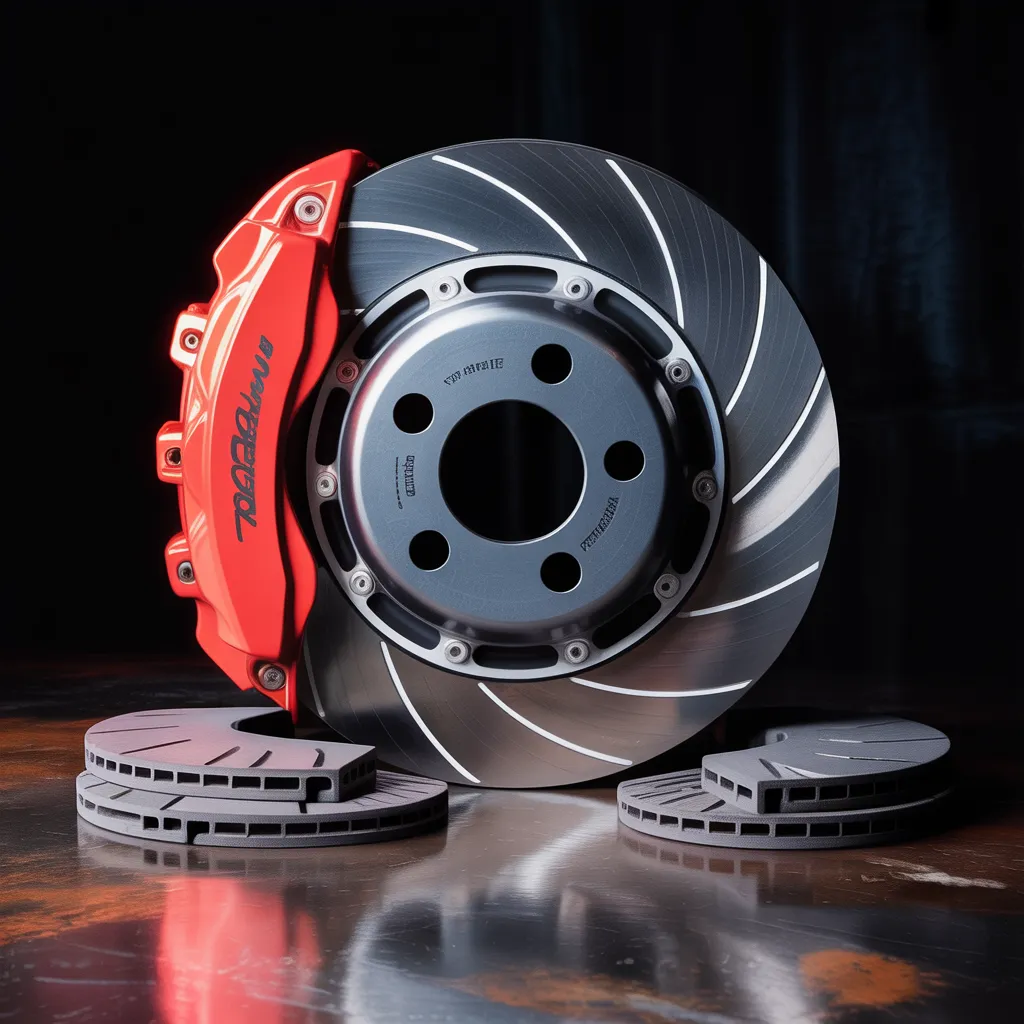
When determining what car replacement parts are necessary, one must review the specific needs of their vehicle. Vehicles call for varied parts based on make, model, and year. Commonly replaced components that often need replacement include brake pads, batteries, filters, and belts. Continuous wear and tear leads to the breakdown of these parts, making timely replacement critical for top performance and safety.
Additionally, knowing the vehicle’s usage plays a significant role in determining which parts to prioritize. For example, a vehicle regularly driven in harsh conditions may require more frequent replacements of certain components. Consulting the owner’s manual can provide valuable insights into recommended replacement intervals. Moreover, it is important to evaluate the potential for upgrades or modifications, as these may require specific parts that enhance performance or efficiency. By accurately recognizing the necessary parts, vehicle owners can care for their vehicles effectively and prolong their lifespan.
Tips for Identifying Durability in Spare Parts
Identifying excellence in replacement parts is crucial for ensuring vehicle functionality and safety. First, one should inspect the materials used in the part; high-quality components typically utilize durable metals or composites that resist wear and corrosion. Checking for approvals, such as ISO or SAE standards, can also indicate reliability, as reputable manufacturers adhere to rigorous guidelines.
Additionally, reviewing the finish of the part is essential—polished surfaces and even coatings suggest better manufacturing processes. Original Equipment Manufacturer (OEM) parts are often the standard, since they match the specifications of the vehicle’s original components.
Furthermore, analyzing the manufacturer's standing gives understanding about the quality of their products. User reviews and professional suggestions can reveal potential issues or advantages. By combining these elements, one can accurately judge the condition of replacement parts, which leads to smart buying choices.
Best Places to Get Superior Auto Parts?
Where can someone acquire superior auto parts that secure reliability and effectiveness? Many reliable sources offer a extensive selection of auto parts tailored to various needs. Local auto parts stores usually serve as the first stop, supplying knowledgeable staff and immediate access to essential components. Chain retailers might also have a range of products, spanning from basic to high-performance parts.
Online shops present an alternative, boasting extensive inventories and competitive pricing. Websites specializing in auto parts often include customer reviews, aiding in well-informed purchasing decisions. Additionally, manufacturer websites may offer direct purchasing of original equipment parts, guaranteeing authenticity.
For anyone looking for specialized components, salvage yards can be a valuable resource of inexpensive, used parts that remain in good condition. Ultimately, consumers should prioritize research and validate the authenticity of their preferred source to confirm they are investing in top-notch automotive parts.
OEM vs. Replacement Auto Parts: What to Consider
Selecting OEM versus third-party auto parts can be a critical choice for vehicle owners. OEM parts are created by the vehicle’s manufacturer, ensuring a ideal fit and compliance with industry standards. They usually include warranties and are made to maintain the vehicle’s original performance. Yet, OEM parts can be costlier.
Alternatively, aftermarket parts are created by third-party companies and can differ widely in quality. While they may provide cost savings, the fit and reliability might not always be on par with OEM parts. It is essential for vehicle owners to weigh their budget, the exact part required, and the vehicle's warranty terms when making their decision. Researching the reputation of aftermarket manufacturers can also offer insight into potential durability and performance. Ultimately, the selection between OEM and aftermarket parts depends on individual preferences and circumstances.
Tips for Setup Substitute Parts Like a Specialist
When installing replacement parts, using proper tools is essential for a successful outcome. A comprehensive instructional guide can make the process easier and ensure every part is properly installed. By using these suggestions, anyone can improve their abilities and achieve professional-level results.
Crucial Tools You Must Have
Equipping oneself with the proper equipment is essential for a smooth auto repair experience. A fundamental toolkit should include spanners and sockets in multiple sizes, enabling versatile applications. Screwdrivers, both slotted and Phillips, are necessary for taking out screws during installations. Pliers and wire cutters assist in gripping and cutting components effectively. A torque wrench ensures that bolts are tightened to manufacturer specifications, preventing damage. Additionally, a jack and jack stands are required for safely lifting the vehicle. A multimeter can help diagnose electrical issues, while a funnel and oil catch pan make fluid changes cleaner and easier. Having these essential tools on hand not only streamlines the repair process but also improves the overall quality of the installation.
Step-by-Step Installation Guide
The installation of replacement parts can be a straightforward task with the right method. First, confirm all required tools and parts are assembled to reduce any interruptions. Consult the vehicle's manual initially for specific guidance on the part being changed. Next, disconnect the battery to ensure safety during installation. Gently remove the old part while noting how it is installed. When fitting the new part, position it properly and secure it following manufacturer instructions. Once installed, reconnect the battery and run a functionality test. evaluation Finally, dispose of the old part responsibly. Following these steps not only ensures successful installation but also improves the vehicle's longevity and performance.
Ways to Care for Your Car After Replacing Pieces
Properly servicing a vehicle after replacing parts is crucial to guarantee its durability and function. Regular inspections are essential; drivers need to check the recently installed components for deterioration or misalignment. Routine oil changes support peak engine function, and keeping proper fluid levels helps avoid overheating and mechanical issues.
Consistent tire care such as rotation and pressure checks provides even wear and enhances handling. Additionally, following the manufacturer’s recommended maintenance schedule helps in identifying potential problems early.
Driving behaviors also play a role; intense acceleration and harsh braking can wear new parts. Maintaining the vehicle clean helps avoid rust and corrosion, particularly in spots where new components were installed.
In the end, keeping records of every part swap and maintenance activity aids to track the vehicle’s health over time, ensuring it stays in top condition. By following these practices, vehicle owners can boost the benefits of their latest parts replacements.
Often Asked Questions
How can I verify a parts guarantee before purchase?
Before purchase, to verify a parts warranty, one must examine the manufacturer’s papers, check online resources, and consult with the retailer. Furthermore, validating warranty terms directly with customer service offers additional assurance.
What instruments do I need for swapping car components
To replace auto parts, one typically uses basic equipment such as wrenches, sockets, screwdrivers, pliers, and a jack. Additional equipment like torque wrenches and a multimeter may also be needed for specific jobs.
Are there typical signs of faulty replacement parts?
Common signs of improper replacement parts comprise unusual noises, vibrations, warning lights, decreased performance, fluid leaks, and premature wear. These signals usually suggest that the installed components are not performing as intended, requiring immediate attention.
How do I handle used auto parts responsibly?
Individuals looking to discard old auto parts properly should seek local recycling centers, take part in automotive waste collection programs, or return parts to retailers that offer recycling services, ensuring environmental safety and compliance with regulations.
What Are the Right Things I Must Carry Out if a Element Is Defective?
If a part is faulty, the individual needs to contact the supplier for a return or exchange. Record the problem and adhere to any specific warranty instructions given, ensuring proper settlement and reducing potential disruption to their vehicle’s functioning.